
Introduction
Outdoor rattan furniture is designed for open environments where durability, comfort, and visual integration are required.
Typical applications include:
- Gardens and patios
- Balconies and terraces
- Hospitality and commercial spaces
This guide provides a structured overview of materials, performance, and application scenarios.
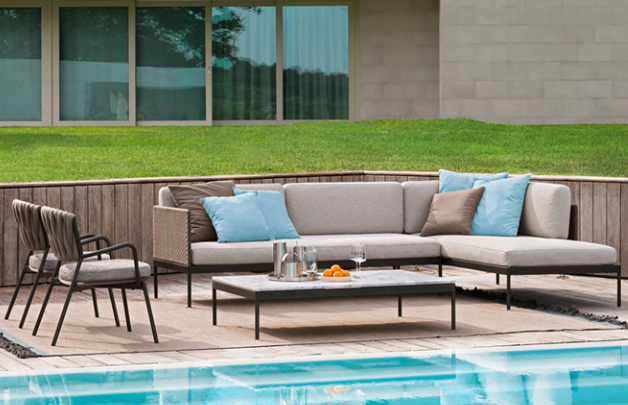
What Is Outdoor Rattan Furniture
Outdoor rattan furniture refers to seating and table systems constructed using:
- Natural rattan
- Synthetic rattan (PE wicker)
Common configurations include:
- Sofa sets
- Coffee tables
- Dining chairs and side tables
These systems are designed for outdoor exposure and extended use.
Material Structure and Performance
Frame Construction
Frames are typically made of:
- Aluminum alloy (lightweight, corrosion-resistant)
- Galvanized steel (higher strength, coated for protection)
This ensures structural stability under outdoor conditions.
Wicker Material
Synthetic PE rattan is widely used due to:
- UV resistance
- Water resistance
- Color stability
It maintains appearance and performance under prolonged exposure.
Weather Resistance Technology
Outdoor rattan furniture is engineered to withstand environmental stress.
Key protection mechanisms:
- UV-resistant coating prevents fading
- Water-resistant surface reduces moisture absorption
- Sealed joints prevent internal corrosion
These features enable long-term outdoor use across seasons.
Functional Design Types
Leisure-Oriented Sets
- Focus on seating comfort
- Includes cushions and ergonomic support
- Suitable for long-duration use
Functional / Modular Sets
- Includes storage compartments
- Adjustable backrests
- Configurable layouts
Application Scenarios
Outdoor rattan furniture adapts to multiple environments:
Residential Use
- Gardens
- Balconies
- Private patios
Commercial Use
- Hotels and resorts
- Cafés and lounges
- Outdoor reception areas
Event and Social Spaces
- Outdoor gatherings
- Weddings and parties
- Temporary lounge setups
Advantages and Limitations
Advantages
- Visual integration with natural environments
- Breathable and comfortable seating
- Low maintenance requirements
- Suitable for multiple outdoor scenarios
Limitations
- Prolonged direct sun exposure may cause fading
- Fixed structures may reduce portability
- Requires basic care for long-term durability
Selection Considerations
When choosing outdoor rattan furniture, focus on:
- Frame material (aluminum vs steel)
- Wicker quality (UV-resistant PE preferred)
- Cushion fabric (waterproof and removable)
- Application environment
A structured selection improves long-term usability and cost efficiency.
Conclusion
Outdoor rattan furniture combines:
- Structural durability
- Environmental adaptability
- Functional flexibility
Its widespread use reflects the demand for balanced outdoor solutions that integrate performance and design.
FAQ
What is the best material for outdoor rattan furniture?
Synthetic PE rattan with aluminum frames is commonly used due to its weather resistance and durability.
Is rattan furniture suitable for outdoor use?
Yes. Outdoor-grade rattan furniture is designed with UV and water resistance for long-term outdoor environments.
Does outdoor rattan furniture fade in sunlight?
High-quality PE rattan is UV-resistant, but prolonged exposure may still cause gradual fading over time.
What is the difference between natural and synthetic rattan?
Natural rattan is less resistant to weather, while synthetic rattan offers better durability for outdoor use.
Is outdoor rattan furniture easy to maintain?
Yes. It typically requires only basic cleaning and occasional inspection.