
Introduction
Outdoor furniture must perform under variable weather, uneven terrain, and repeated handling.
For buyers, distributors, and project planners, the selection process should focus on:
- Material durability
- Structural stability
- Portability and storage efficiency
- Application-specific requirements
This page provides a structured overview of outdoor tables and chairs for different use cases.
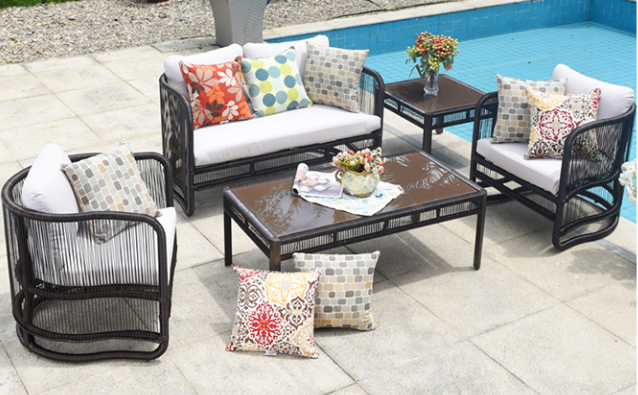
Outdoor Furniture by Material
Aluminum Outdoor Furniture
- Corrosion-resistant and lightweight
- Suitable for frequent transport
- Performs well in humid or coastal environments
👉 Best for:
- Camping
- Pop-up events
- Outdoor markets
HDPE Plastic Outdoor Furniture
- Waterproof and impact-resistant
- Stable in temperature extremes (-30°C to 60°C)
- Cost-efficient for large-scale use
👉 Best for:
- Public events
- Training sessions
- Commercial gatherings
Wooden Outdoor Furniture
- Natural appearance for decorative settings
- Suitable for semi-permanent installations
Limitations:
- Higher maintenance
- Lower portability
👉 Best for:
- Weddings
- Garden setups
- Hospitality projects
Rattan and Wicker Outdoor Furniture
- UV-resistant synthetic materials (PE rattan)
- Designed for visual integration
👉 Best for:
- Resorts
- Lounge areas
- Event styling
🔗 Internal link: Rattan Outdoor Chairs Collection
Outdoor Furniture by Application
Outdoor Furniture for Events
- Folding tables and chairs
- Easy setup and transport
- High turnover usage
Outdoor Furniture for Camping
- Lightweight aluminum structures
- Compact folding design
Outdoor Furniture for Commercial Use
- Durable materials (HDPE, steel frames)
- High load capacity
- Long lifecycle
🔗 Internal link: Commercial Outdoor Furniture Solutions
Outdoor Furniture for Hospitality
- Focus on aesthetics and comfort
- Combination of wood, rattan, and cushions
Key Selection Factors
Durability
Outdoor furniture must resist:
- UV exposure
- Moisture and corrosion
- Mechanical wear
Portability
Important for temporary setups:
- Foldable structures
- Lightweight materials
- Stackable designs
Stability
Required for safety and usability:
- Strong frame design
- Balanced load distribution
- Performance on uneven ground
Adaptability
Furniture should match:
- Event scale
- Environment type
- Usage frequency
Recommended Configurations
| Scenario | Table Type | Chair Type |
|---|---|---|
| Camping | Aluminum folding table | Compact folding chair |
| Events | HDPE folding table | Metal folding chair |
| Hospitality | Wood / rattan table | Cushioned chair |
| Public Use | Plastic table | Plastic chair |
Conclusion
Outdoor furniture selection requires a balance between:
- Material performance
- Environmental adaptability
- Operational efficiency
A structured approach helps reduce long-term costs and ensures consistent performance across applications.
FAQ
What is the best outdoor furniture material?
Aluminum and HDPE are widely used due to their durability, weather resistance, and low maintenance.
What is the most portable outdoor furniture?
Folding aluminum tables and chairs are the most portable due to their lightweight and compact structure.
What outdoor furniture is best for events?
HDPE tables combined with metal folding chairs provide durability and efficiency for large-scale events.
Is wooden outdoor furniture suitable for outdoor use?
Yes, but it requires maintenance and is better suited for decorative or semi-permanent environments.
How do I choose outdoor furniture for commercial use?
Focus on durability, load capacity, and lifecycle cost rather than appearance alone.